
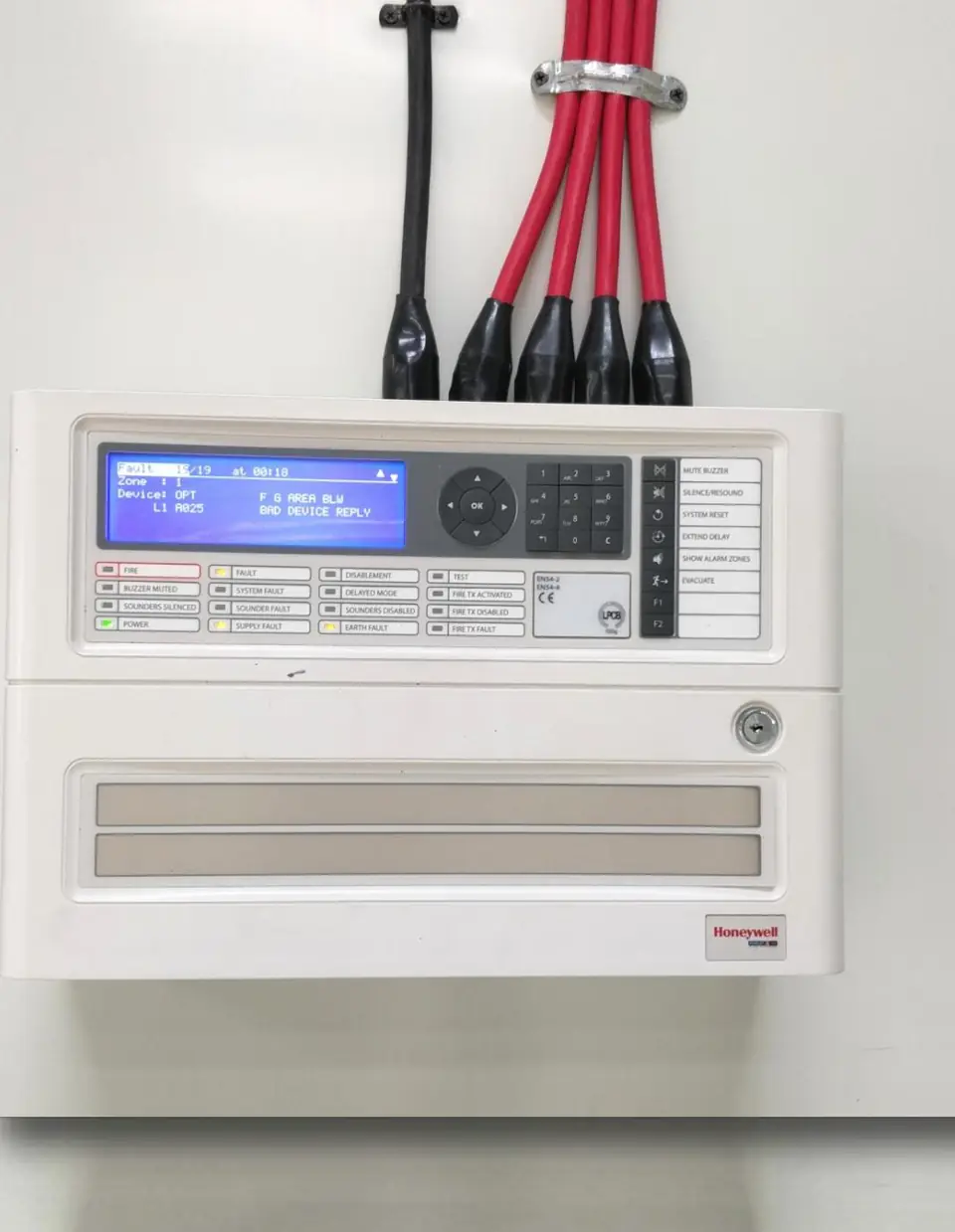
A fire alarm system is only useful if it tells you exactly where the problem is, quickly and reliably. That is why most modern factories, warehouses and hospitals choose addressable fire alarm systems. Here's what owners and project managers should know.
Conventional vs addressable: the key difference
In a conventional system, devices are grouped into zones. When a detector operates, the panel only knows which zone is in alarm, and someone has to search the whole zone. In an addressable system, every device has its own address, so the panel shows the exact detector or call point that has operated. In a large warehouse or multi-floor plant, that difference saves critical minutes.
Main components
- Addressable fire alarm panel: the brain of the system, showing alarms, faults and device locations.
- Smoke detectors: mounted on ceilings or under roofs, positioned according to ceiling height and airflow.
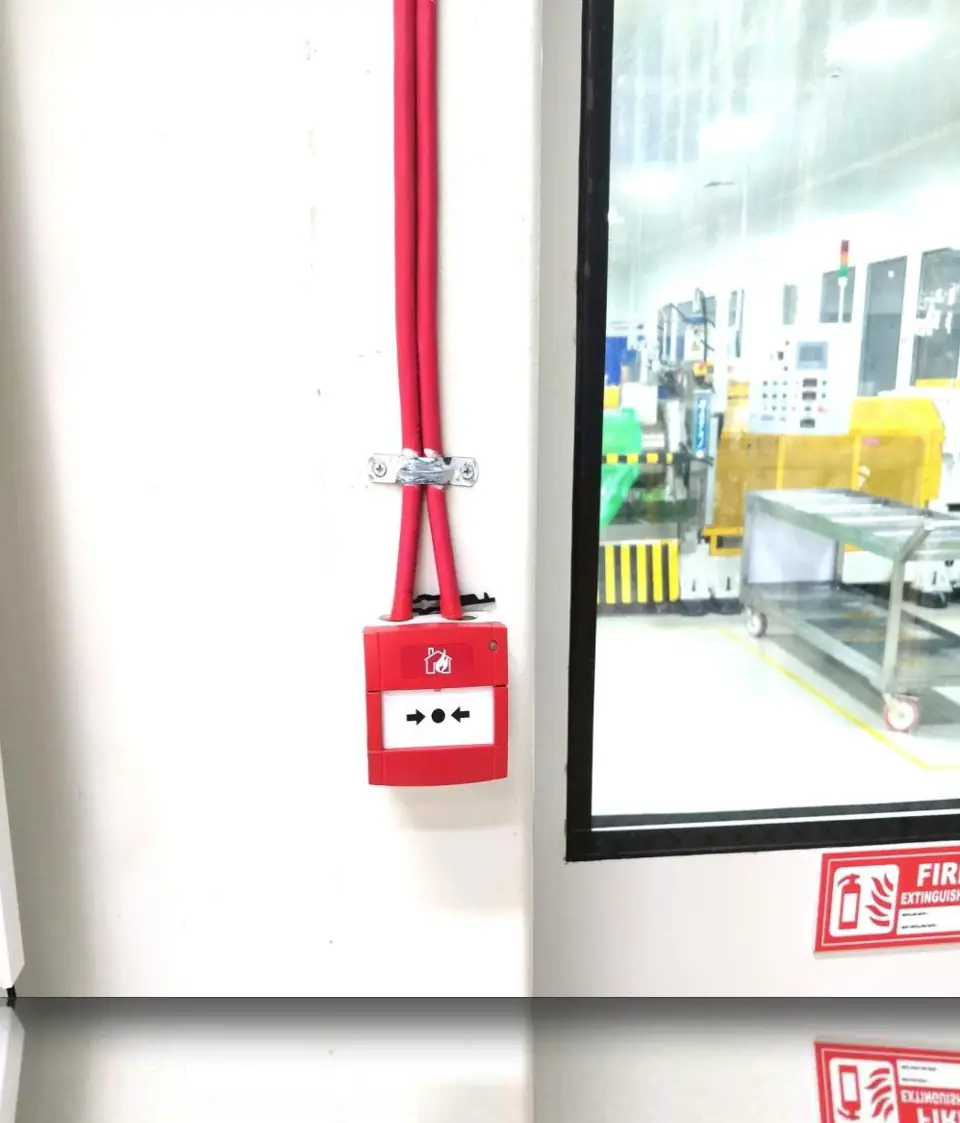
- Manual call points (MCPs): let people raise the alarm immediately, usually placed along escape routes and near exits.
- Isolation modules: isolate a short-circuited section of the loop so the rest of the system keeps working.
- Electronic hooters & strobes: audible and visual warnings so everyone knows to evacuate, even in noisy areas.
Planning tips for factories and warehouses
- High roofs: detector type and placement must suit roof height and structure. Plan safe access for maintenance from the start.
- Dusty or humid areas: choose detectors suited to the environment to avoid false alarms.
- Cable routing: use dedicated fire-survival or suitable fire alarm cable, neatly dressed and kept separate from power cables.
- Integration: the fire alarm can be linked to access control (to release doors) and HVAC (to shut down AHUs), which needs coordination between disciplines.
- Documentation: keep an updated device list and layout drawing; it makes troubleshooting and audits far easier.
Maintenance keeps it reliable
Detectors gather dust, batteries age and buildings change. Periodic testing of detectors, call points, hooters and panel batteries, along with prompt rectification of faults, keeps the system ready for the day it matters.
A fire alarm system is a life-safety system. Neat installation, correct device placement and regular testing matter as much as the brand of the panel.
Need a fire alarm, CCTV or access control system?
Chamunda Electromech installs addressable fire alarm panels, smoke detectors, MCPs, isolation modules, hooters, CCTV and access control systems. Learn more about our ELV services or request a quote.
Need help with your project?
Our engineers are happy to discuss your site and requirements, with no obligation.