
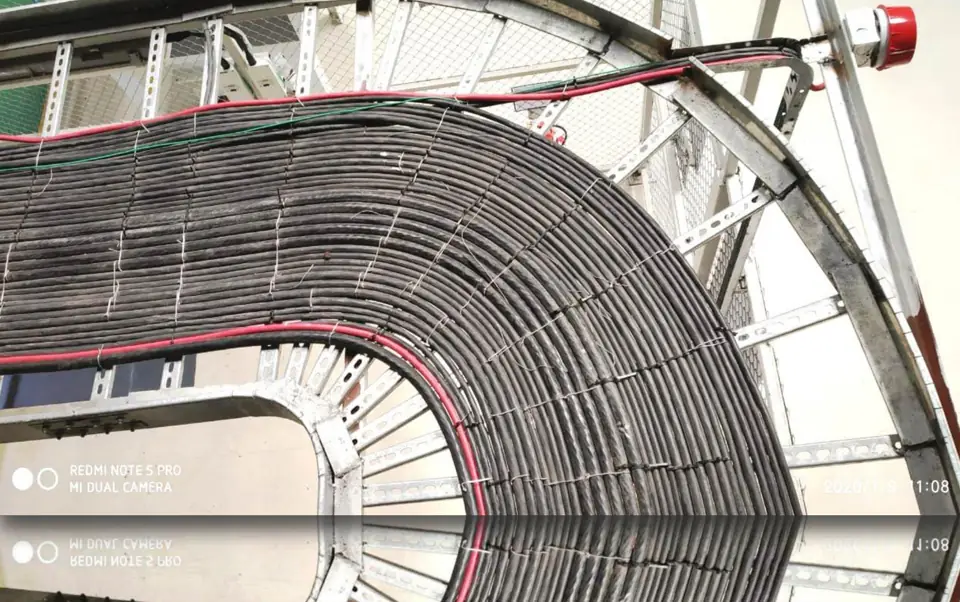
You can judge an electrical installation in seconds by looking at its cable trays. Neat, well-supported, clearly tagged cables are safer, cooler and far easier to maintain. Here's how we approach cable trays and dressing on industrial sites.
Choose the right tray for the job
- Ladder trays suit heavy power cables and long spans. They allow good airflow and easy cable fixing.
- Perforated trays work well for control and lighter power cables, giving support along the whole length.
- Outdoor trays on pipe racks need corrosion protection and covers where cables are exposed to sun and rain.
Supports decide how long a tray lasts
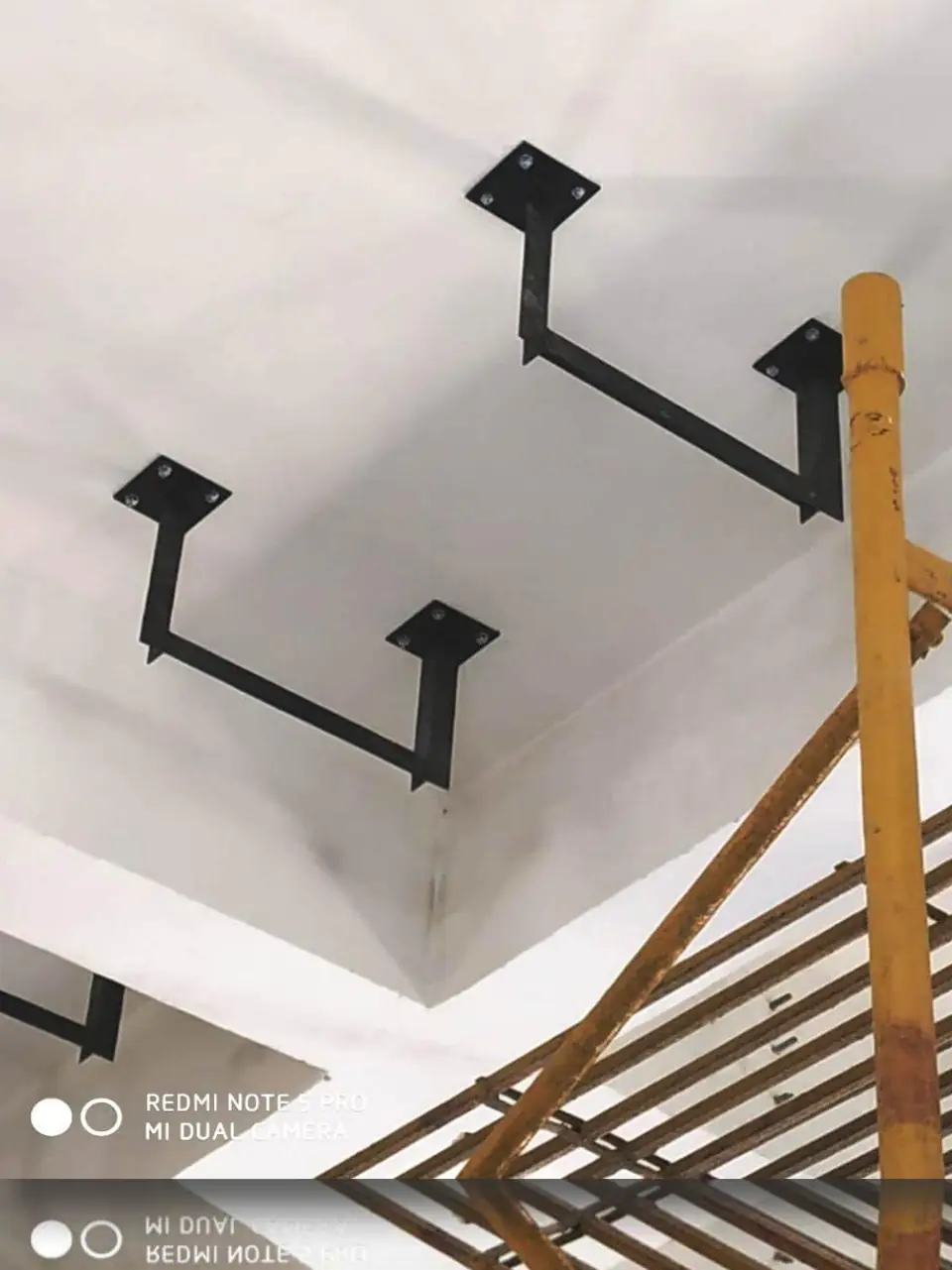
Sagging trays are almost always a support problem. Structural steel hangers and brackets should be spaced to suit the tray size and the final cable load, not just the first few cables. At height and along staircases, plan access for both installation and future inspection.
Lay cables in a planned sequence
Pull the largest power cables first and keep power and control/data cables separated, either on different trays or with partitions. Respect the minimum bending radius at every bend; tight bends damage insulation and make the cable run hotter. Leave spare capacity on each tray for future expansion.
Dressing: straight, parallel and tied
Good dressing means cables run parallel without crossing, are tied at regular intervals and sweep smoothly through bends. It isn't only about looks. Dressed cables dissipate heat better, are easier to trace during a fault and make additions safer.
Glands, terminations and tagging
- Use the correct cable gland for the cable type and the enclosure. In hazardous areas, use certified FLP glands with FLP junction boxes.
- Terminate with proper lugs and crimping tools, and torque connections to specification.
- Tag every cable at both ends with a durable cable tag that matches the cable schedule. Your maintenance team will thank you for years.
Earthing and final checks
Bond cable trays to the earthing system along their length, and test insulation resistance of cables before energising. A final walk-through to check covers, tags and tie spacing catches small issues before handover.
Neat cable work is a sign of a team that cares, and it is usually the cheapest reliability improvement a plant can buy.
Work with an experienced electrical contractor
Our team has installed cable trays, structural supports, cable laying, dressing, gland termination and tagging for pharmaceutical plants, warehouses and industrial units. See our Electrical HT & LT services or browse photos of our cable work.
Need help with your project?
Our engineers are happy to discuss your site and requirements, with no obligation.